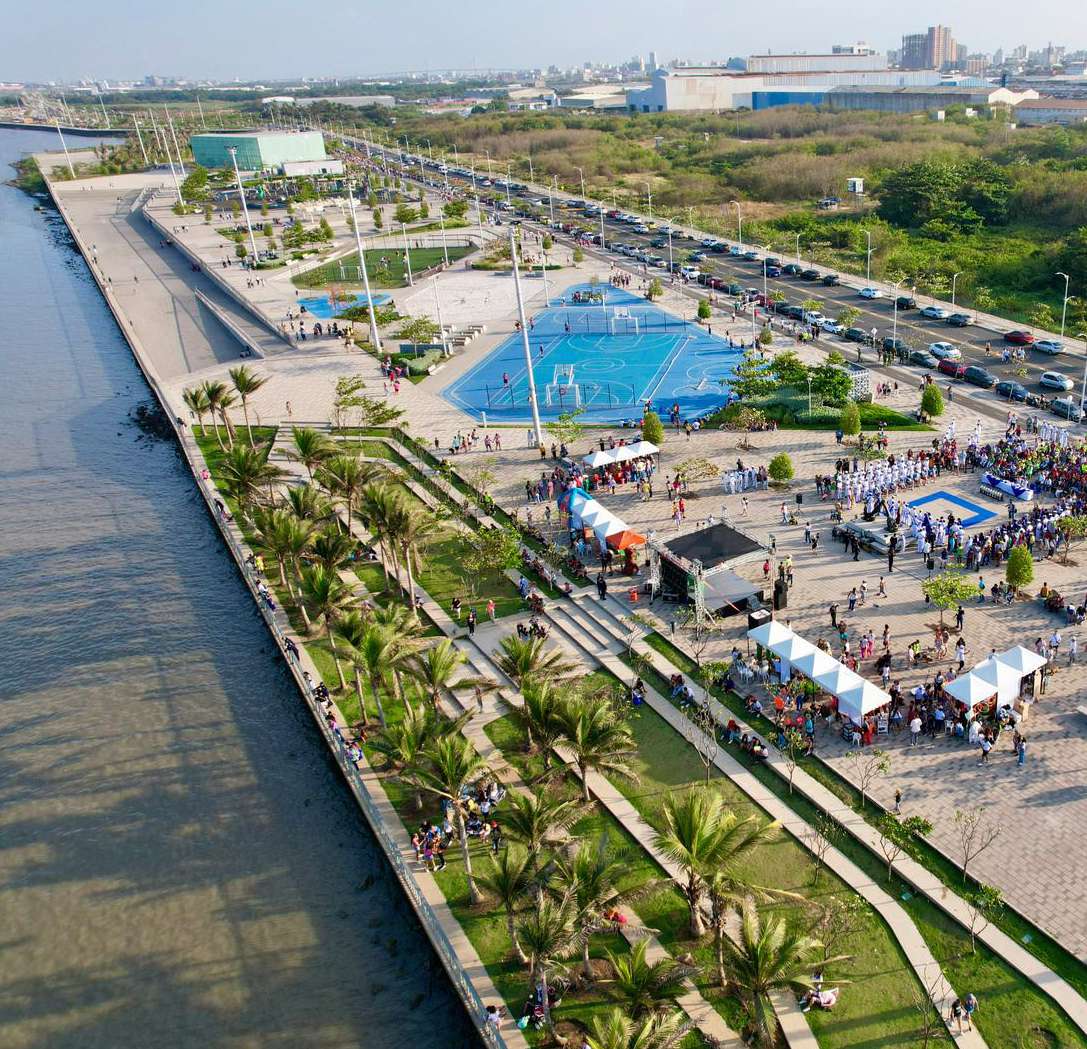
Colombia and the U.S. Launch a New Investment Chapter from Barranquilla
Colombia and the United States have opened a new bilateral economic agenda from Barranquilla. The meeting produced agreements covering investment, financing, infrastructure, energy, technology and industry, with the Colombian government committing to stronger legal certainty and better conditions for private investment.
The signal is political and practical. U.S. Secretary of State Marco Rubio confirmed that Washington wants to wrap trade deals with Colombia, Peru and Ecuador soon. President Abelardo De La Espriella and Rubio used the Barranquilla meeting to relaunch relations around a joint security and investment agenda. For the Colombian Caribbean, being the stage for that reset matters: it places the region at the centre of the renewed relationship rather than on the periphery.
The backdrop was already favourable. Foreign investment in Barranquilla reached USD 469 million in 2025 — a record. ProBarranquilla supported 23 investment projects worth approximately US$450 million, generating more than 3,900 direct jobs. Cartagena secured a USD 1 billion credit line from the Inter-American Development Bank for sustainable urban development — the first Latin American city to access it. And the corridor between the two cities keeps attracting infrastructure: airport expansions, port concessions, and the new Río Córdoba multipurpose port with a 30-year concession.
What the political change adds is momentum. Markets have responded to the prospect of lower interest rates, a resumption of housing subsidies, and a clearer framework for foreign investors. A 100-basis-point drop in 10-year bond yields since the election is the market's way of saying risk perception has improved. The Barranquilla agreements add a concrete policy layer to that sentiment: legal certainty, private-investment conditions and a direct U.S. trade-deal timeline.
For real estate, the combination is powerful: a stronger currency raising entry prices in euro terms, lower financing costs on the horizon, and an international buyer base rediscovering a region that was already growing. Barranquilla's role as the corridor's business and industrial engine means residential and hospitality demand along the coast has a structural driver — not just tourism.
This is the context in which Villa Mediterráneo is being built: a fully financed, four-phase development on the coastline between the two cities, launched while the market was still in transition. Early phases of a cycle reward those who enter before the narrative becomes consensus. That window is narrowing.